If your business produces used cooking oil, you have legal obligations under UK environmental law. Failure to comply can result in fines of up to £50,000, prosecution, and serious reputational damage. This comprehensive guide covers everything you need to know about UK waste oil regulations in 2026, from Duty of Care requirements to proper documentation.
Whether you run a restaurant, hotel, food manufacturing facility, or any other business that generates used cooking oil (UCO), understanding these regulations is essential for legal compliance and environmental responsibility.
The Legal Framework: Key Legislation Affecting UCO Disposal
Used cooking oil disposal in England is governed by several interconnected pieces of legislation:
Environmental Protection Act 1990
This foundational legislation establishes the 'Duty of Care' for anyone who produces, imports, keeps, stores, transports, treats, or disposes of waste. Key requirements include:
- Preventing illegal waste disposal
- Ensuring waste is only transferred to authorised persons
- Providing accurate descriptions of waste
- Taking reasonable measures to prevent waste escaping
Waste (England and Wales) Regulations 2011
These regulations implement the EU Waste Framework Directive and require businesses to:
- Apply the waste hierarchy (prevention, reuse, recycling, recovery, disposal)
- Use segregated collection for recyclable waste streams where technically, environmentally, and economically practicable
- Maintain appropriate records of waste transfers
Hazardous Waste Regulations 2005
While used cooking oil is not typically classified as hazardous waste, contaminated oil (e.g., mixed with chemicals or solvents) may fall under these regulations. It's crucial to keep your UCO separate from other waste streams to avoid classification complications.
Understanding Your Duty of Care
The Duty of Care is a fundamental legal requirement that applies to every business producing waste, regardless of size. Under this duty, you must:
1. Store Waste Safely
Used cooking oil must be stored in appropriate containers that:
- Are secure and prevent unauthorised access
- Prevent spillage or leakage
- Are clearly labelled as containing used cooking oil
- Are positioned to prevent contamination of drainage systems
Learn more about proper storage in our guide to best practices for storing used cooking oil.
2. Use Licensed Waste Carriers
You must only transfer your used cooking oil to carriers registered with the Environment Agency. Before engaging any collection service, verify that they hold:
- A valid Waste Carrier Registration (upper tier for regular collections)
- Appropriate insurance coverage
- Evidence of proper disposal or recycling arrangements
At Oil Collector, we maintain full Environment Agency registration and can provide documentation on request. Contact us to verify our credentials.
3. Complete Waste Transfer Notes
Every transfer of used cooking oil must be accompanied by a Waste Transfer Note (WTN). This document must include:
- Date and time of transfer
- Description of the waste (used cooking oil, SIC code 20.01.25)
- Quantity of waste transferred
- Name and address of both parties
- Waste Carrier Registration number
- Signatures from both parties
Important: Waste Transfer Notes must be retained for a minimum of two years. Failure to produce WTNs during an inspection can result in immediate penalties.
4. Check Destination Facilities
You have a responsibility to ensure your waste reaches an appropriately permitted facility. Ask your collection provider about:
- Where the oil is processed
- The environmental permits held by receiving facilities
- What happens to the oil after collection
Our collection process ensures your UCO is processed at fully licensed facilities, with complete traceability from collection to conversion.
Environment Agency Registration Requirements
The Environment Agency oversees waste management in England. Key registration requirements include:
Waste Carrier Registration
Any business transporting waste (including their own) must register as a waste carrier. There are two tiers:
- Lower tier: Free registration for businesses carrying only their own waste or non-hazardous waste
- Upper tier: Required registration (with fee) for professional waste carriers
Exempt Activities
Some UCO storage activities may be exempt from environmental permits, but you must register the exemption. Common exemptions for food businesses include:
- T4 exemption: Preparatory treatments such as sorting, grading, and baling
- S2 exemption: Storage of certain wastes in secure containers
Industry-Specific Considerations
Different sectors have additional compliance considerations:
Restaurants and Takeaways
Food service establishments must ensure grease traps are regularly cleaned and maintained. Grease trap waste is classified separately from UCO and requires different disposal arrangements.
Healthcare Facilities
Hospitals and care homes producing UCO must ensure it's kept separate from clinical waste streams. Cross-contamination could result in the entire waste stream being classified as hazardous.
Educational Institutions
Schools and universities should include UCO management in their environmental policies and ensure catering staff are trained in proper procedures.
Food Manufacturers
Industrial food producers generating large volumes of UCO may need additional permits for on-site storage exceeding certain thresholds.
Penalties for Non-Compliance
The consequences of failing to comply with waste oil regulations can be severe:
- Fixed Penalty Notices: Up to £300 for minor breaches
- Variable Monetary Penalties: Up to £250,000 for serious breaches
- Criminal Prosecution: Unlimited fines and potential imprisonment for serious offences
- Remediation costs: You may be required to pay for environmental clean-up
- Reputational damage: Prosecutions are published and can severely impact customer trust
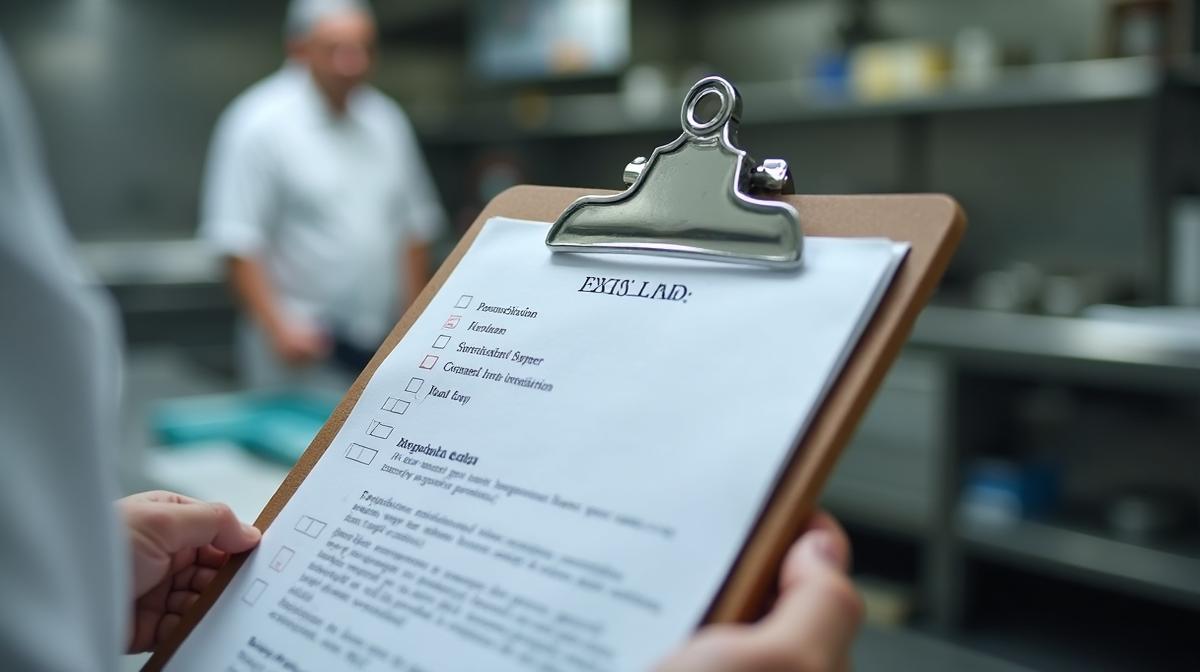
How to Ensure Compliance: A Checklist
Use this checklist to verify your business meets all regulatory requirements:
- ☐ UCO is stored in secure, labelled containers
- ☐ Storage area has secondary containment (bunding) to prevent spillage
- ☐ Storage location is away from drains and waterways
- ☐ Current Waste Transfer Notes are in place
- ☐ Previous WTNs are retained for minimum 2 years
- ☐ Collection service provider's Waste Carrier Registration has been verified
- ☐ Staff are trained in proper UCO handling procedures
- ☐ Emergency spillage procedures are documented and accessible
- ☐ Collection frequency is adequate to prevent overflow
- ☐ Regular checks are conducted on storage containers
The Benefits of Using a Professional Collection Service
While understanding regulations is important, the simplest way to ensure compliance is to partner with a reputable, licensed collection service. At Oil Collector, we:
- Maintain full Environment Agency registration
- Provide complete Waste Transfer Note documentation
- Supply appropriate storage containers at no cost
- Offer scheduled collections to prevent overflow
- Guarantee compliant processing at licensed facilities
- Provide full audit trail documentation on request
We serve businesses across England, from small cafés to large food manufacturing facilities. Request a free quote to learn how we can simplify your compliance requirements.
Stay Informed: Regulatory Updates
Environmental regulations continue to evolve. Key areas to monitor include:
- Post-Brexit changes to waste classification
- Extended Producer Responsibility developments
- Updates to the Resources and Waste Strategy for England
- Local authority-specific requirements
Subscribe to Environment Agency updates and follow industry news to stay informed. For specific questions about your compliance obligations, contact our team—we're always happy to help.
Conclusion
Complying with UK waste oil regulations doesn't have to be complicated. By understanding your Duty of Care obligations, working with licensed carriers, maintaining proper documentation, and staying informed about regulatory changes, your business can dispose of used cooking oil responsibly while avoiding costly penalties.
Ready to simplify your UCO compliance? Get a free quote for our fully compliant collection service today.

Oil Collector
The UK's trusted used cooking oil collection service. We help businesses dispose of waste oil responsibly while contributing to renewable energy production.
Learn more about us