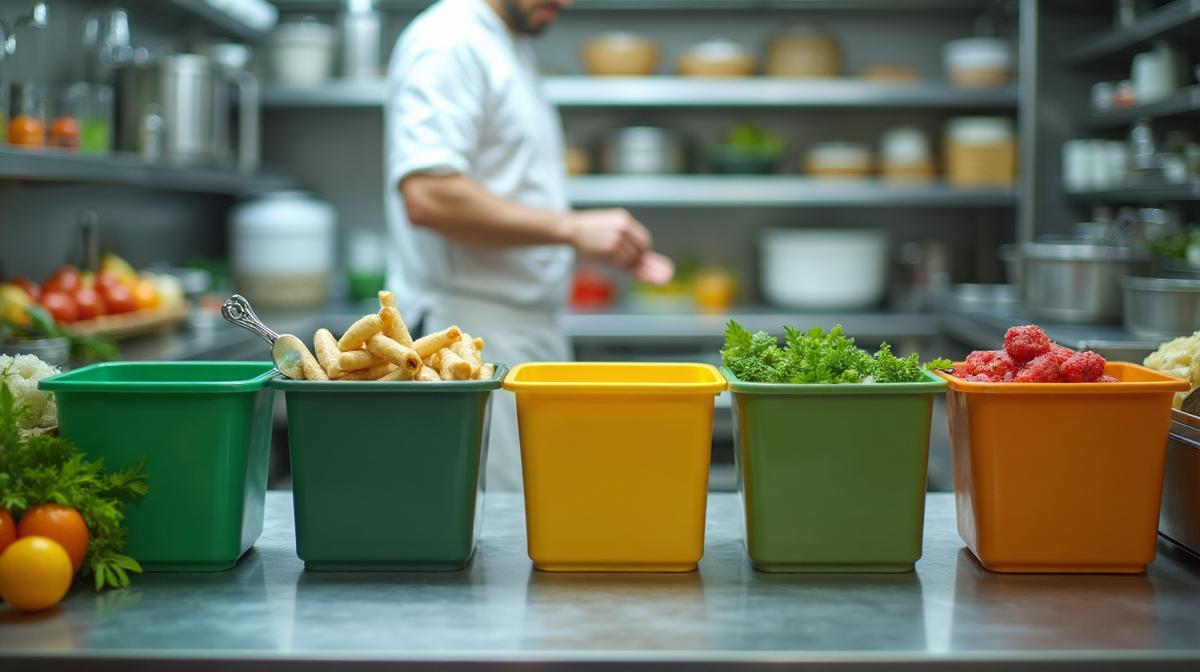
Waste management is one of the most significant challenges—and opportunities—facing commercial kitchens today. With rising disposal costs, increasing environmental regulations, and growing consumer demand for sustainable practices, reducing waste makes both business and environmental sense.
Whether you operate a restaurant, hotel kitchen, café, or catering company, these ten practical tips will help you minimise waste, cut costs, and demonstrate environmental responsibility.
1. Implement Proper Used Cooking Oil Recycling
Used cooking oil (UCO) is one of the most valuable waste streams in any commercial kitchen—yet it's often mismanaged. Proper UCO recycling:
- Prevents drain blockages and fatberg formation
- Converts waste into renewable biodiesel
- Ensures regulatory compliance
- May generate rebates for your business
Key actions:
- Partner with a licensed collection service
- Train staff on proper oil disposal procedures
- Ensure adequate storage containers are available
- Schedule regular collections to prevent overflow
Learn more about best practices for storing used cooking oil.
2. Conduct a Waste Audit
You can't reduce what you don't measure. A thorough waste audit reveals:
- What types of waste you produce and in what quantities
- Where waste occurs in your operations
- Opportunities for reduction, reuse, and recycling
- Cost implications of your current waste management
Conduct an audit by sorting and weighing all waste over a typical week. This baseline data will help you set targets and measure improvement.
3. Optimise Inventory Management
Poor inventory management is a leading cause of food waste in commercial kitchens. Implement:
- FIFO (First In, First Out): Rotate stock so older items are used first
- Par levels: Set minimum and maximum stock levels for each item
- Regular stocktakes: Identify slow-moving items before they expire
- Supplier relationships: Negotiate more frequent, smaller deliveries
Modern inventory management systems can track usage patterns and automatically adjust ordering to minimise waste.
4. Design Waste-Reducing Menus
Smart menu design can significantly reduce kitchen waste:
- Cross-utilise ingredients: Design dishes that use the same ingredients in different ways
- Whole-ingredient cooking: Use vegetable trimmings for stocks, meat scraps for sauces
- Portion flexibility: Offer different portion sizes to reduce plate waste
- Specials strategy: Create daily specials featuring ingredients approaching use-by dates
School and university caterers have particularly benefited from this approach, reducing waste while maintaining nutritional standards.
5. Train Staff on Waste Reduction
Your team is crucial to waste reduction success. Effective training should cover:
- Proper food storage and handling
- Accurate portion control
- Waste segregation procedures
- The environmental and financial impact of waste
Consider appointing a 'waste champion' to monitor practices and encourage continuous improvement. Recognition programmes for waste reduction achievements can boost engagement.
6. Separate Waste Streams
Proper waste segregation enables recycling and reduces disposal costs:
- Food waste: For composting or anaerobic digestion
- Cooking oil: For biodiesel production (see our collection process)
- Cardboard and paper: For recycling
- Glass: For recycling
- Plastics: For recycling where possible
- General waste: Minimise this category
Colour-coded bins with clear signage make segregation easy and consistent. Position bins conveniently near where waste is generated.
7. Reduce Packaging Waste
Incoming packaging is a major waste stream. Strategies to reduce it include:
- Supplier negotiation: Request reduced packaging or returnable containers
- Bulk purchasing: Larger pack sizes typically mean less packaging per unit
- Local sourcing: Local suppliers often use less packaging
- Reusable containers: Some suppliers offer crate exchange programmes
For customer-facing packaging (takeaway containers, bags), consider compostable alternatives and encourage customers to bring their own containers where practical.
8. Extend Oil Life
Cooking oil is expensive, and premature disposal wastes money and resources. Extend oil life by:
- Regular filtering: Filter oil daily to remove food particles
- Temperature control: Avoid overheating, which degrades oil faster
- Food preparation: Shake off excess batter/coating before frying
- Oil testing: Use test strips to objectively assess oil quality
- Proper storage: Cover fryers when not in use to prevent oxidation
When oil does need replacing, ensure it's collected for recycling. Get a free quote for UCO collection.
9. Consider Food Waste Redistribution
Surplus food that's still safe to eat doesn't have to become waste. Options include:
- Charitable donation: Organisations like FareShare redistribute surplus food to charities
- Staff meals: Where appropriate, use surplus ingredients for staff catering
- Discount sales: Apps like Too Good To Go connect businesses with customers seeking reduced-price surplus food
Be aware of food safety requirements when redistributing food—proper temperature control and date labelling are essential.
10. Monitor and Report Progress
Ongoing measurement keeps waste reduction on track:
- Regular weighing: Track waste quantities weekly or monthly
- Cost analysis: Calculate the financial impact of waste reduction
- Team meetings: Share results and celebrate successes
- Target setting: Set progressive reduction targets
- Customer communication: Share your sustainability achievements
Many hotels and marine catering operations now include waste reduction metrics in their sustainability reporting.
The Bottom Line Benefits
Reducing kitchen waste delivers multiple benefits:
- Cost savings: Less waste means lower disposal costs and better ingredient utilisation
- Compliance: Meet and exceed regulatory requirements
- Reputation: Demonstrate environmental responsibility to customers
- Staff engagement: Sustainability initiatives boost team morale
- Environmental impact: Contribute to reduced emissions and resource conservation
Start Your Waste Reduction Journey
Implementing even a few of these tips can make a significant difference to your kitchen's waste footprint. Start with the quick wins—like proper UCO collection—and build towards more comprehensive waste management.
Ready to tackle your used cooking oil waste? Request a free quote or contact our team to discuss your requirements. We're here to help make your kitchen more sustainable.

Oil Collector
The UK's trusted used cooking oil collection service. We help businesses dispose of waste oil responsibly while contributing to renewable energy production.
Learn more about us