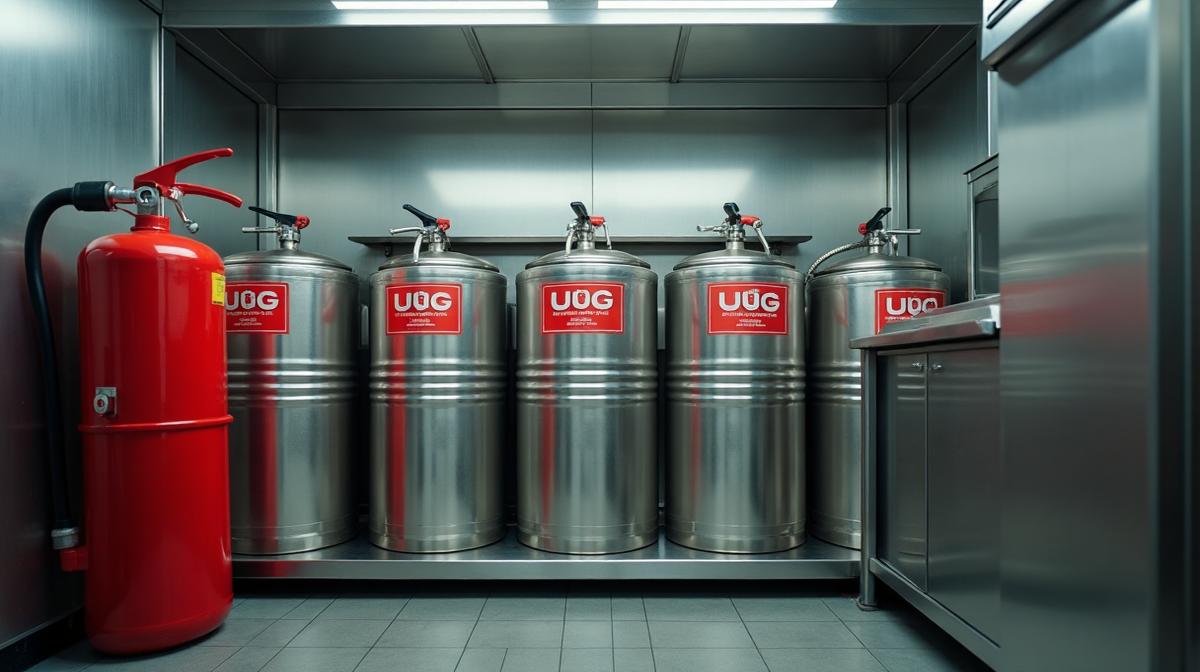
Proper storage of used cooking oil (UCO) is crucial for safety, regulatory compliance, and ensuring your oil is in optimal condition for recycling. Poor storage practices can create fire hazards, environmental risks, and may even make your oil unsuitable for processing into biodiesel.
This guide covers everything you need to know about storing used cooking oil safely and effectively, whether you operate a small café or a large food manufacturing facility.
Choosing the Right Storage Containers
The container you use for UCO storage directly impacts safety and oil quality.
Container Requirements
- Material: Use containers specifically designed for oil storage—typically heavy-duty plastic or metal
- Sealing: Containers must have secure, tight-fitting lids to prevent spillage and contamination
- Size: Match container size to your oil production volume—too small leads to overflow, too large wastes space
- Condition: Containers should be free from cracks, dents, or damage
Common Container Types
- Indoor caddy (20-60L): For transporting oil from fryers to main storage
- Drums (120-240L): Standard for most restaurants and small kitchens
- IBCs (1,000L): For high-volume producers
- External tanks: Permanent installations for consistent large volumes
Most professional collection services, including Oil Collector, provide appropriate containers free of charge. Contact us to discuss your container requirements.
Location and Positioning
Where you store UCO is as important as how you store it.
Indoor Storage
If storing indoors:
- Position away from heat sources (ovens, fryers, heaters)
- Keep clear of emergency exits and thoroughfares
- Ensure adequate ventilation
- Place on impermeable flooring or use drip trays
- Avoid proximity to combustible materials
Outdoor Storage
For external storage:
- Position on level, hard-standing ground
- Ensure accessibility for collection vehicles
- Protect from extreme weather where possible
- Keep away from drains, waterways, and environmentally sensitive areas
- Consider security—UCO can be targeted by thieves
Critical: Never position UCO storage where spills could enter drains or waterways. This violates environmental regulations and can result in significant penalties.
Secondary Containment (Bunding)
For larger storage volumes, secondary containment (bunding) is essential and may be legally required:
- Capacity: Bunds should hold at least 110% of the largest container's volume
- Material: Impermeable material that won't react with oil
- Drainage: No direct drainage to sewer or surface water
- Maintenance: Keep bunds clear of rainwater accumulation
Even for smaller volumes, drip trays under storage containers are good practice and demonstrate due diligence.
Fire Safety Considerations
Used cooking oil is combustible and requires appropriate fire safety measures:
Prevention
- Never store near ignition sources
- Ensure oil is cooled before transfer to storage containers
- Keep storage areas clean and free from debris
- Maintain electrical installations near storage areas
Fire Fighting
- Position appropriate fire extinguishers nearby (Class F for cooking oil fires)
- Ensure staff know the location and operation of extinguishers
- Never use water on oil fires
- Include UCO storage in fire risk assessments
Consult your local fire service or fire risk assessor for site-specific guidance.
Labelling Requirements
Proper labelling is a legal requirement and aids safe handling:
- Clearly label containers as "Used Cooking Oil" or "Waste Vegetable Oil"
- Include hazard warnings as appropriate
- Display your business name and contact details
- Consider including the European Waste Catalogue (EWC) code: 20.01.25
Labels should be durable, legible, and securely attached to containers.
Temperature and Quality Preservation
Proper storage conditions help maintain oil quality for optimal recycling:
Temperature
- Allow oil to cool to below 50°C before transfer to storage
- Avoid extreme cold that could cause the oil to solidify (this is usually only an issue in unheated outdoor storage during winter)
- Temperature fluctuations are generally acceptable for UCO destined for recycling
Contamination Prevention
- Keep lids closed when not actively filling
- Never mix UCO with other waste streams
- Avoid adding water or aqueous liquids
- Filter out large food debris before storage if possible
Preparing for Collection
Help your collection run smoothly with these preparation tips:
- Ensure containers are accessible—clear any obstructions before the scheduled collection
- Check that container lids are secure but not over-tightened
- Report any damaged containers to your collection provider
- Have someone available to provide access if containers are in secured areas
- Keep a record of fill levels to help optimise collection frequency
Learn more about how our collection process works.
Common Mistakes to Avoid
Watch out for these frequent storage errors:
- Overflowing containers: Schedule collections before containers reach capacity
- Using inappropriate containers: Domestic bins, buckets, or jerry cans are not suitable
- Storing hot oil: Always cool before transfer
- Mixing waste types: Keep UCO separate from other waste streams
- Neglecting maintenance: Check containers regularly for damage or leaks
- Poor access: Blocked access delays collection and increases spillage risk
- Ignoring regulations: Stay informed about current requirements
Getting the Right Equipment
If you're setting up UCO storage or upgrading your current arrangements, consider:
- Container size: Based on your weekly oil production plus a safety margin
- Transfer equipment: Pumps, funnels, or pouring jugs designed for oil
- PPE: Heat-resistant gloves for handling warm oil
- Spill kit: Absorbent materials for managing any spills
- Signage: Safety notices and handling instructions
At Oil Collector, we supply appropriate containers as part of our collection service—no need to source them separately. Get a free quote to learn more.
Summary: Your Storage Checklist
- ☐ Using appropriate, purpose-designed containers
- ☐ Containers positioned away from heat sources and drains
- ☐ Secondary containment in place for larger volumes
- ☐ Clear labelling on all containers
- ☐ Fire extinguisher accessible nearby
- ☐ Staff trained in safe handling procedures
- ☐ Regular inspections for damage or leaks
- ☐ Collection schedule arranged to prevent overflow
- ☐ Spill kit available
- ☐ Access maintained for collection visits
Proper UCO storage protects your business, your staff, and the environment. Combined with a reliable collection service, it ensures your used cooking oil is safely recycled into renewable energy.
Ready to arrange professional UCO collection? Request a free quote or contact us to discuss your requirements.

Oil Collector
The UK's trusted used cooking oil collection service. We help businesses dispose of waste oil responsibly while contributing to renewable energy production.
Learn more about us